Cottage cheese pancakes are tender, custardy and far more filling than a standard stack, because the batter is mostly cottage cheese and eggs with just half a cup of flour. One serving of about four small pancakes delivers about 310 calories with 21 g of protein, and the whole batch is ready in 20 minutes.
Table of Contents
Why cottage cheese pancakes work so well
Most pancake batters are built on flour and milk, so they are high in carbohydrate and fairly low in protein. Cottage cheese pancakes flip that balance. The cheese and eggs provide most of the structure, and the small amount of flour simply holds everything together.
- Protein from real food. A cup of 2% cottage cheese has about 24 g of protein and two large eggs add about 12.5 g more, according to USDA figures.
- Seven everyday ingredients. Cottage cheese, eggs, flour, baking powder, vanilla, maple syrup and a light spray of oil.
- Soft, not rubbery. The curds melt into a texture similar to a ricotta pancake.
- Easy to change. Swap the flour, add fruit or spice, or make them savoury.
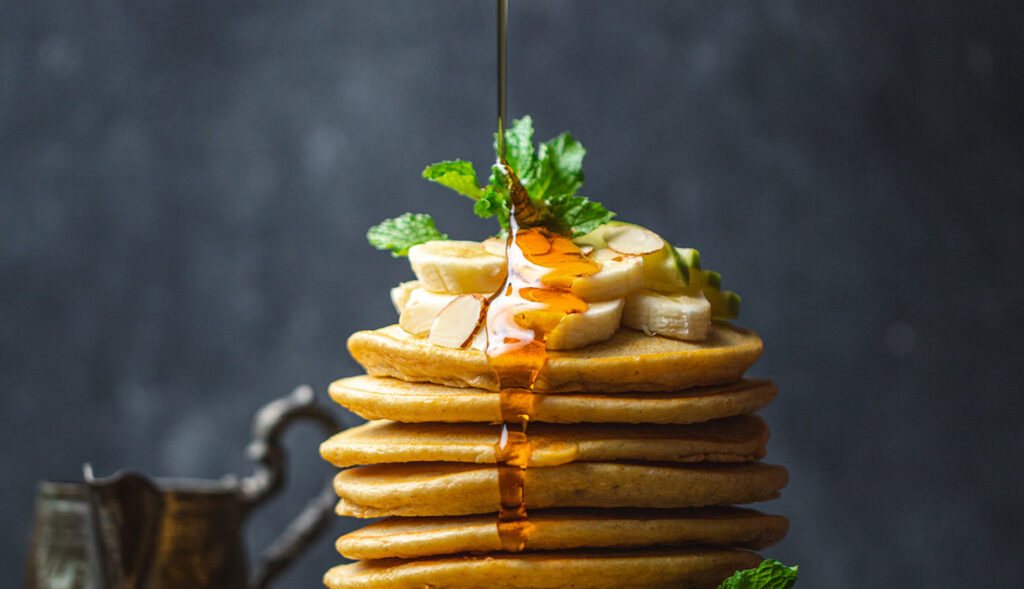
What you need for cottage cheese pancakes
Each ingredient has a clear job, so it is worth knowing what it does before you start swapping.
- 2% cottage cheese (1 cup): the base of the batter and the main source of protein. Low-fat cottage cheese strikes a good balance between creaminess and calories.
- Large eggs (2): they bind the batter, help the pancakes puff and add more protein.
- All-purpose flour (1/2 cup): enough to give the pancakes shape. More flour makes them bready; less makes them fragile.
- Baking powder (1 teaspoon): for lift. Fresh baking powder makes a noticeable difference.
- Vanilla and maple syrup: a teaspoon of vanilla and a tablespoon of syrup add gentle sweetness without turning breakfast into dessert.
Blended or whisked batter?
Blending the cottage cheese with the eggs gives a smooth batter and evenly textured pancakes. Whisking by hand leaves small curds, which some people enjoy because they turn creamy and slightly melty in the pan. Both ways work, so use whatever tools you have.
How to cook cottage cheese pancakes step by step
- Blend the base. Put the cottage cheese and eggs in a blender (or a bowl with a whisk) and process until nearly smooth.
- Add the rest. Fold the flour, baking powder, vanilla and syrup into the cheese mixture just until no dry streaks remain, then leave the batter for 5 minutes to thicken.
- Heat the pan. Set a non-stick skillet on a medium-low burner and give it a quick mist of oil.
- Cook small pancakes. Use about 3 tablespoons of batter for each one. Leave it for 2 to 3 minutes, until small bubbles break on top and the rim firms up.
- Flip once. Turn them gently and cook for 1 to 2 minutes more, until golden and cooked through. Repeat with the remaining batter.
Because these pancakes contain plenty of egg, make sure the centres are fully set. FoodSafety.gov lists 160°F (71°C) as the safe minimum temperature for egg dishes.
Cottage cheese pancakes nutrition
Values are per serving (half the recipe, about four small pancakes), calculated from every ingredient using USDA FoodData Central data.
| Per serving | Amount |
|---|---|
| Calories | 310 |
| Protein | 21 g |
| Carbohydrate | 37 g |
| Fat | 8 g |
| Fiber | 1 g |
| Sodium | about 665 mg |
Cottage cheese is naturally salty, which is why the recipe has no added salt. If you are watching sodium, look for a lower-sodium cottage cheese. Toppings are not included in these numbers, so add them separately if you track your intake with our guide on how to track calories.
Choosing a flour for cottage cheese pancakes
All-purpose flour gives the fluffiest result, but you have options. Here is how a 1/2 cup of each compares, based on USDA FoodData Central values:
| Flour (1/2 cup) | Calories | Protein | Fiber | Recipe per serving |
|---|---|---|---|---|
| All-purpose flour (62 g) | 228 | 6.5 g | 1.7 g | about 310 calories |
| Whole wheat flour (60 g) | 204 | 7.9 g | 6.4 g | about 300 calories |
| Rolled oats, blended (40 g) | 154 | 5.3 g | 4.1 g | about 270 calories |
Whole wheat flour makes the pancakes a little darker and nuttier and adds fiber. Blended oats make them softer and more delicate, so cook them a touch smaller and flip carefully.
Tips for perfect cottage cheese pancakes
- Keep the heat moderate. Cheese and egg brown faster than regular batter, so medium-low heat cooks the middle before the outside scorches.
- Make them small. Pancakes about 3 inches across are much easier to flip without tearing.
- Use a good non-stick pan. A quick mist of oil is plenty.
- Stop stirring early. Once the flour goes in, mix only until it disappears.
- Wait for the edges. If the edges still look wet, the pancake is not ready to turn.
Common mistakes to avoid
- Adding extra flour to a thin batter. Rest it for 5 minutes first; it thickens on its own.
- Using fat-free cottage cheese without adjusting. It can make a wetter batter. Add a spoon more flour if the pancakes spread too much.
- Cooking too many at once. Crowding the pan makes flipping awkward and drops the heat.
- Stacking them hot in a sealed container. Steam makes them soggy. Let them cool on a rack before storing.
Flavour variations
Once you have the basic batter down, cottage cheese pancakes are easy to change with what is in your kitchen.
- Lemon blueberry: fold a handful of blueberries and the zest of half a lemon into the batter, or press a few berries into each pancake right after it hits the pan.
- Cinnamon apple: add 1/2 teaspoon of cinnamon to the batter and top with thin apple slices softened in a dry pan.
- Chocolate chip: scatter a few mini chocolate chips over each pancake before flipping. A tablespoon spread over the whole batch is plenty.
- Herb and scallion: leave out the vanilla and syrup, add sliced scallions and black pepper, and serve with smoked salmon or eggs.
Add-ins change the totals, so count them if you track closely. Savoury cottage cheese pancakes also make a quick lunch with a side salad.
Topping ideas
- A handful of mixed berries; our raspberry calories guide shows how light they are.
- Rounds of banana dusted with cinnamon.
- A dollop of plain Greek yogurt with a thin swirl of honey.
- For a savoury twist, skip the maple syrup and vanilla, add chopped chives, and serve with a fried egg.
Make ahead, storage and freezing
Cool leftover cottage cheese pancakes completely, then refrigerate them in an airtight container for up to 3 days. To freeze, layer them with parchment and keep them for up to 2 months. Reheat in a toaster, a dry pan or the microwave until hot all the way through. A batch made on Sunday gives you a fast high-protein breakfast for several busy mornings.
More breakfast ideas: our strawberry pancakes, almond granola and all our breakfast recipes.
Frequently asked questions
Can I make cottage cheese pancakes without flour?
Blended rolled oats or oat flour can replace the all-purpose flour. Versions with no flour or oats at all tend to fall apart in the pan.
Do cottage cheese pancakes taste like cheese?
Hardly. The flavour is mild with a gentle tang, closer to a ricotta pancake, especially once vanilla and fruit are added.
How much protein is in cottage cheese pancakes?
This recipe has about 21 g of protein per serving of four small pancakes, mostly from the cottage cheese and eggs.
Why do my cottage cheese pancakes stick to the pan?
Usually the heat is too high or the pancake is flipped too early. Use a non-stick skillet, a thin mist of oil and medium-low heat, and turn only once the rim looks firm.
Sources
- USDA FoodData Central: 2% cottage cheese, eggs, all-purpose flour, whole wheat flour, oats, baking powder, vanilla and maple syrup.
- FoodSafety.gov safe minimum internal temperatures: egg dishes.
Nutrition per serving is an estimate. This article is general information, not medical advice.
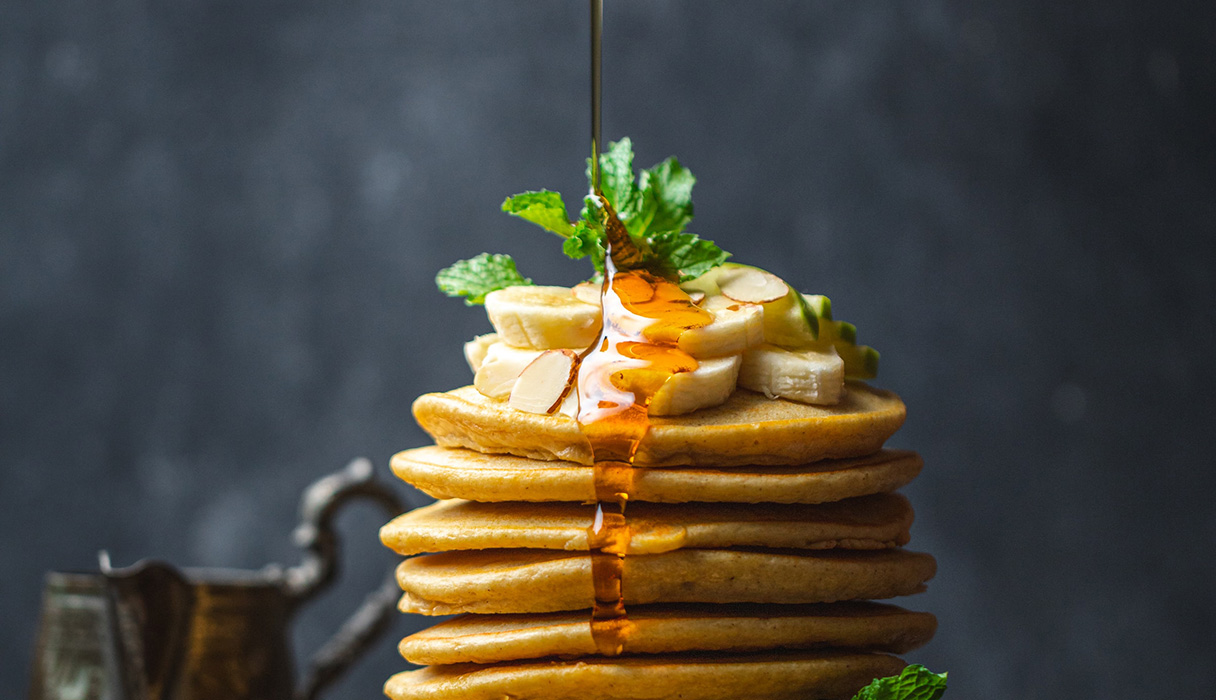
Fluffy Cottage Cheese Pancakes (21 g Protein)
Ingredients
Method
- Blend or whisk the cottage cheese and eggs until mostly smooth.
- Stir in the flour, baking powder, vanilla and maple syrup until just combined. Rest the batter for 5 minutes.
- Heat a non-stick pan over medium-low heat and spray lightly with oil.
- Pour about 3 tablespoons of batter per pancake. Cook 2 to 3 minutes until bubbles appear and the edges set, then flip and cook 1 to 2 minutes more until cooked through.
- Repeat with the remaining batter, adjusting the heat if they brown too fast. Serve warm with fruit.