Quick answer: If you want to learn how to track calories, start with three tools: a digital kitchen scale, the Nutrition Facts label, and a simple log (paper or app). Weigh what you eat in grams, look up each food once, and record it right after the meal. Two weeks of honest logging teaches you more about your portions than any chart.
Knowing how to track calories is less about willpower and more about a repeatable routine. The goal is a reasonably accurate picture of what you eat, not a perfect one. This guide covers the methods first, then the apps, because an app is only as good as the numbers you feed it.
Table of Contents
Why learning how to track calories helps
Most of us are poor judges of portion size. A “tablespoon” of peanut butter from the jar is often closer to two, and a pour of cereal is rarely the serving on the box. Logging for a short stretch shows you where the gaps are.
Tracking can also help you:
- See which meals keep you full and which ones leave you hungry an hour later.
- Spot hidden extras such as cooking oil, sauces and sweet drinks.
- Plan meals around protein and fiber instead of guessing.
- Make informed swaps, like the ones in our calories in everyday foods guide.
You don’t have to log forever. Many people track for a few weeks, learn their usual portions, then switch to checking in now and then.
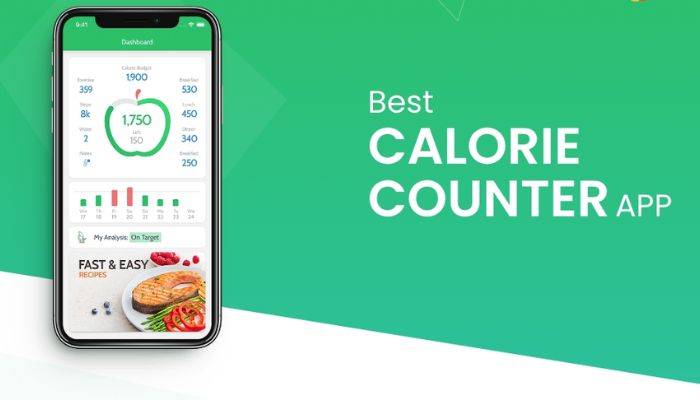
How to track calories step by step
Here is how to track calories with a simple system that works whether you use a notebook or a phone.
- Pick one place to log. A notes app, a spreadsheet or a dedicated tracker. Stick with it so your data lives in one spot.
- Weigh food in grams. Grams are more precise than cups or spoons, which is the single biggest upgrade in how to track calories, and they match the per-100 g values in nutrition databases.
- Log as you go. Record each meal right after you eat. Waiting until the evening means forgotten snacks and fuzzy amounts.
- Include everything. Oil in the pan, milk in your coffee, the handful of nuts. These small items add up quickly.
- Save repeat meals. If you eat the same breakfast most days, save it once and reuse it.
- Review weekly, not hourly. Look at your weekly average. Day-to-day totals swing, and that is normal.
Raw vs cooked weights
Foods change weight when cooked. Pasta and rice absorb water, while meat loses it. Pick one approach and stay consistent: weigh raw and use a raw entry, or weigh cooked and use a cooked entry. Mixing them up is one of the most common sources of error.
Reading the Nutrition Facts label
Packaged foods do much of the work for you. The FDA’s guide to the Nutrition Facts label explains every line. The key points for logging are:
- Serving size comes first. All the numbers below it apply to that amount. If you eat double, double everything.
- Servings per container tells you how many portions the package holds.
- Calories are listed in large type for one serving.
- % Daily Value helps you judge whether a food is high or low in a nutrient. Five percent or less is considered low, and 20% or more is high.
When a label lists grams, use the gram weight rather than the household measure. It makes your scale and the label speak the same language.
Looking up foods without a label
For fresh produce, meat, eggs and home cooking, use a trusted database. USDA FoodData Central is free and lists calories and nutrients per 100 g along with common portion weights. For example, it lists 1 tablespoon of olive oil at 13.5 g, which works out to about 119 calories.
A few examples show how much portions matter:
| Food | Portion | Calories (USDA) |
|---|---|---|
| Olive oil | 1 tbsp (13.5 g) | 119 |
| Olive oil | “a glug” (about 30 g) | 265 |
| Almonds, dry roasted | 1 oz (28 g) | 170 |
| Almonds, dry roasted | 1 cup (138 g) | 825 |
| Plain bagel, medium | 1 bagel (105 g) | 277 |
| Large egg | 1 egg | see our egg calories guide |
For chicken, check our chicken breast calories page, which compares raw and cooked weights.
Logging home-cooked recipes
For a recipe, add up every ingredient for the whole pot, then divide by the number of servings. An even easier trick: weigh the finished dish, then weigh your portion. If the whole pot is 2,000 g and you eat 400 g, you ate one fifth of the total calories.
How to track calories with an app
Apps speed up logging with search, saved meals and barcode scanning. Features and prices change often, so check the app’s own site before paying. Here is what we confirmed on official pages on October 12, 2026:
- Cronometer offers a free version, and its website says the barcode scanner is free. It tracks a wide range of vitamins and minerals, which suits people who care about more than calories.
- MyFitnessPal has a large food database. Its Premium page lists barcode scanning and an ad-free experience as Premium features.
When choosing any tracker, look for these features:
- Verified entries. User-added foods can be wrong. Prefer entries marked as verified or taken from a lab database.
- Gram-based logging. You should be able to enter any weight, not only preset servings.
- Recipe builder. This saves a lot of time if you cook at home.
- Easy export or privacy controls. Your food log is personal data. Read the privacy policy.
How to track calories without an app
Prefer paper? Learning how to track calories in a notebook works well. Write the food, the gram weight and the calories. Keep a short “cheat sheet” of foods you eat often, so you only look them up once.
Other low-tech options:
- The plate method. Fill half your plate with vegetables, a quarter with protein and a quarter with starch. It is not counting, but it is a solid structure.
- Hand portions. A palm of protein, a cupped hand of carbs, a thumb of fat. Rough, but quick when eating out.
- Photo logging. Snap a picture of each meal. Reviewing the photos at the end of the week shows patterns.
Common mistakes when counting calories
Even careful trackers make these errors:
- Forgetting cooking fats. One tablespoon of oil is about 119 calories, and many people use two or three.
- Ignoring drinks. Lattes, juice and alcohol count. See our coffee calories guide for what milk and sugar add.
- Eyeballing nut butters and cheese. These are dense, so small misjudgments mean big differences.
- Choosing the wrong database entry. “Chicken, fried, with skin” and “chicken breast, roasted, skinless” are very different.
- Weekend gaps. Skipping Saturday and Sunday makes the weekly picture look better than it is.
- Chasing exact numbers. Labels are allowed some variation, so treat every total as an estimate.
Making tracking a habit
Once you know how to track calories, keep the routine simple. Prep your scale on the counter where you see it. Log breakfast before you sit down. Save five or six meals you eat often so most days take a minute or two.
If logging starts to feel stressful or obsessive, take a break. Food tracking is a learning tool, not a test, and it isn’t the right tool for everyone. A registered dietitian can help you set goals that fit your health and lifestyle.
For more numbers to log, browse our calorie guides.
Frequently asked questions
How do I start learning how to track calories?
Get a digital kitchen scale, pick one place to log (an app, spreadsheet or notebook) and record everything you eat in grams right after each meal. Two weeks of consistent logging gives you a good picture of your usual portions.
Do I need an app to know how to track calories accurately?
No. A notebook and a kitchen scale work well. Apps simply make lookups faster with search, saved meals and barcode scanning.
Should I weigh food raw or cooked?
Either works if you stay consistent. Weigh raw and use a raw database entry, or weigh cooked and use a cooked entry. Mixing the two is a common source of error.
How accurate are calorie counts on food labels?
They are good estimates rather than exact figures, so treat your daily total as a close approximation. Weekly averages are more useful than any single day.
Sources
- USDA FoodData Central: olive oil; almonds, dry roasted; plain bagel portion weights.
- FDA: How to Understand and Use the Nutrition Facts Label.
- Cronometer and MyFitnessPal official websites, read October 12, 2026.
Nutrition information is an estimate based on USDA FoodData Central values. This article is general information, not medical advice.