Quick answer: The easiest pumpkin and squash recipes for lighter eating are roasted butternut cubes, spaghetti squash with marinara, stuffed acorn squash, pumpkin soup and a bean-packed squash chili. Most winter squash has 40 to 115 calories per cooked cup, so these dishes stay filling without much effort.
Table of Contents
Why pumpkin and squash recipes are great for lighter eating
When the weather turns cool, pumpkin and squash recipes bring colour and comfort to the table for very few calories. Winter squash is mostly water and fiber, so a full cup of roasted butternut has about 82 calories, while a cup of spaghetti squash has about 42. That leaves room for protein, a drizzle of olive oil and a sprinkle of cheese without turning dinner into a heavy meal.
The catch is how squash often gets cooked in traditional pumpkin and squash recipes. Butter, brown sugar, cream and piles of cheese can easily triple the calories of a simple side. The ideas below keep the flavour and lean on roasting, spices and broth instead.
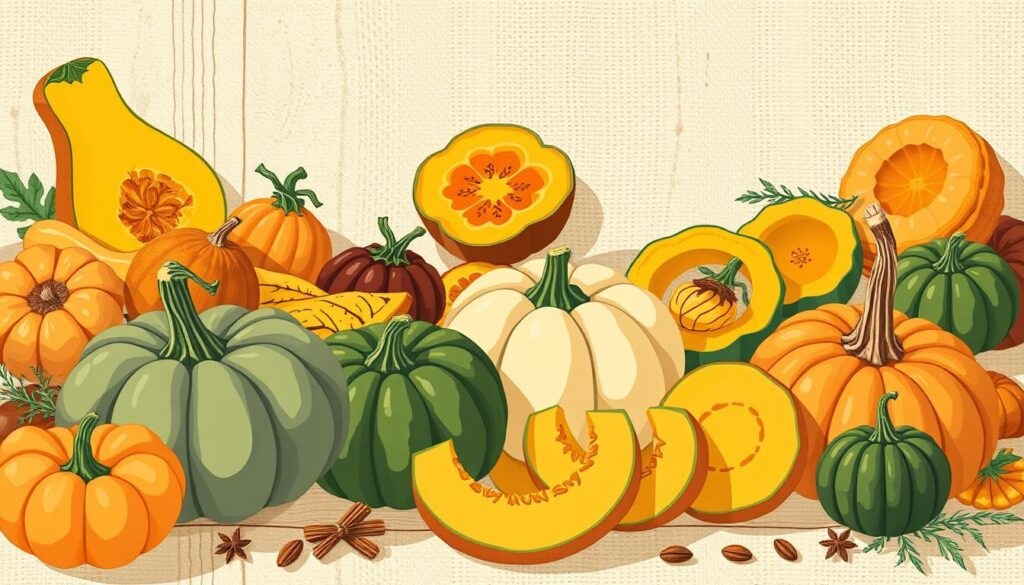
Calories in pumpkin and squash by variety
All values are per cup, cooked without salt, from USDA FoodData Central.
| Squash (1 cup, cooked) | Calories | Carbs | Fiber | Protein |
|---|---|---|---|---|
| Spaghetti squash (155 g) | 42 | 10 g | 2.2 g | 1 g |
| Pumpkin, boiled and mashed (245 g) | 49 | 12 g | 2.7 g | 1.8 g |
| Butternut squash, baked cubes (205 g) | 82 | 21.5 g | 6.6 g | 1.8 g |
| Canned pumpkin puree (245 g) | 83 | 19.8 g | 7.1 g | 2.7 g |
| Acorn squash, baked cubes (205 g) | 115 | 29.9 g | 9 g | 2.3 g |
| Sweet potato, baked (200 g), for comparison | 180 | 41.4 g | 6.6 g | 4 g |
Knowing these numbers makes it easier to plan pumpkin and squash recipes around your goals. Spaghetti squash is the lightest of the group, while acorn squash is the most filling thanks to its fiber. Canned pumpkin puree (not pumpkin pie filling, which has added sugar) is a handy shortcut for soups, sauces and baking.
How to choose and prep winter squash
Good pumpkin and squash recipes start at the store. A good squash feels heavy for its size and has firm, matte skin with no soft spots. The stem should be dry and intact.
Cutting squash safely
Hard squash can slip, so slice a thin piece off one side first to give it a flat base. Microwave a whole squash for 2 to 3 minutes to soften the skin slightly before cutting. Use a large, sharp chef’s knife and keep your fingers away from the blade.
The basic roast
Most pumpkin and squash recipes start the same way. Toss cubes or halves with 1 to 2 teaspoons of olive oil per pound, season with salt, pepper and a spice you like, and roast at 400°F (200°C) for 25 to 40 minutes until tender and browned at the edges. Line the tray with parchment so the natural sugars caramelize without sticking.
7 easy pumpkin and squash recipes to try
These pumpkin and squash recipes range from a quick side to a full dinner. Calorie notes refer to the squash itself; add your other ingredients to get a full count.
1. Roasted butternut squash with sage and garlic
Roast butternut cubes as above with a few sliced garlic cloves and torn fresh sage. Finish with a squeeze of lemon and a little grated parmesan. It works as a side dish, a grain bowl topping or a warm salad with spinach and chickpeas.
2. Spaghetti squash marinara bowls
Halve a spaghetti squash, scoop out the seeds and roast cut side down for 35 to 45 minutes. Rake the flesh into strands with a fork and top with warm marinara, basil and a spoon of ricotta. For context, 2 oz of dry spaghetti, a common single serving, has about 211 calories, while a cup of spaghetti squash has about 42.
3. Stuffed acorn squash with turkey and wild rice
Roast acorn squash halves until just tender. Meanwhile, brown lean ground turkey with onion, celery and thyme, then stir in cooked wild rice and dried cranberries. Spoon the filling into the squash and bake for 10 more minutes. Cook ground turkey to 165°F (74°C), the safe minimum temperature listed by FoodSafety.gov.
4. Creamy pumpkin soup without the cream
Simmer onion, garlic, canned pumpkin and broth, then blend with a splash of milk and a pinch of nutmeg. Our pumpkin soup recipe walks through it step by step and gets its silky texture from the pumpkin itself.
5. Pumpkin pasta bake
Stir pumpkin puree into a light cheese sauce, toss with short pasta and spinach, and bake until bubbling. The pumpkin adds body, so you need less cheese. See our pumpkin pasta bake for the full lighter version.
6. Butternut squash and black bean chili
Add 2 cups of diced butternut squash to your favourite chili along with black beans, tomatoes, chili powder and cumin. The squash softens into the sauce and makes the pot go further, much like the vegetables in our spicy Mexican soup.
7. Pumpkin snacks and roasted seeds
Save the seeds from your pumpkin, rinse them, pat dry and roast with a pinch of salt and smoked paprika. An ounce of roasted pumpkin seed kernels has about 163 calories and 8.5 g of protein, so a small handful goes a long way. For a sweet treat, try our pumpkin bites.
Easy swaps to keep squash dishes light
These simple changes work across almost all pumpkin and squash recipes, including family favourites you already make.
- Butter to olive oil: a teaspoon of oil per pound of squash is enough for roasting.
- Brown sugar to spices: cinnamon, smoked paprika, chili flakes or cumin add flavour with almost no calories.
- Cream to puree: blending part of the squash itself gives soups and sauces a creamy texture.
- Cheese on top, not inside: a small sprinkle of a strong cheese like parmesan tastes like more than a large handful of a mild one.
Common mistakes with pumpkin and squash recipes
Even simple pumpkin and squash recipes can turn out bland or soggy. Watch out for these slip-ups.
- Using a carving pumpkin. Big Halloween pumpkins are watery and stringy. Choose small sugar or pie pumpkins for cooking.
- Crowding the tray. Squash steams instead of browning when the pieces touch. Use two trays if needed.
- Mixing up puree and pie filling. Pumpkin pie filling is sweetened and spiced, so check the label for “100% pumpkin”.
- Underseasoning. Squash is mild. Salt, acid such as lemon or vinegar, and a bold spice make it shine.
Storage and meal prep
Cooked squash keeps in a covered container in the fridge for 3 to 4 days, and roasted cubes freeze well in portions; for best quality, use frozen leftovers within 2 to 3 months, in line with the FoodSafety.gov cold food storage chart. A tray of roasted squash on Sunday makes weeknight pumpkin and squash recipes much faster. For bigger gatherings, our healthy fall potluck recipes and all our dinner recipes have more seasonal ideas.
Frequently asked questions
What are the lightest pumpkin and squash recipes?
Spaghetti squash with marinara and simple roasted butternut squash are among the lightest, since a cooked cup of spaghetti squash has about 42 calories and butternut about 82.
Are pumpkin and squash recipes good for meal prep?
Yes. Roasted squash keeps for 3 to 4 days in the fridge, and soups, chili and stuffed squash reheat well, so they are easy to cook once and eat all week.
Can I use canned pumpkin instead of fresh?
Yes. Plain canned pumpkin puree works well in soups, sauces and baking. Avoid pumpkin pie filling, which is already sweetened and spiced.
Which squash has the most fiber?
Of the common types, baked acorn squash has the most, with about 9 g of fiber per cooked cup, followed by canned pumpkin and butternut squash.
Sources
- USDA FoodData Central: winter squash, pumpkin, sweet potato, pumpkin seeds and pasta.
- FoodSafety.gov safe minimum internal temperatures: ground turkey.
- FoodSafety.gov cold food storage chart: leftovers.
Nutrition values per cup are estimates and vary by squash and cooking method. This article is general information, not medical advice.